
Home › Blog › Alternatives to Kyoto
Japan · underrated only
Alternatives to Kyoto: 7 Quieter Places in Japan, with Real Costs
Kyoto is the Japan everyone queues for. These seven places give you the temples, old wooden streets, gardens and shrines without the tour-bus crush: three towns, two old walking roads and two sacred places, each with its gateway city, the train in, and what a day really costs.
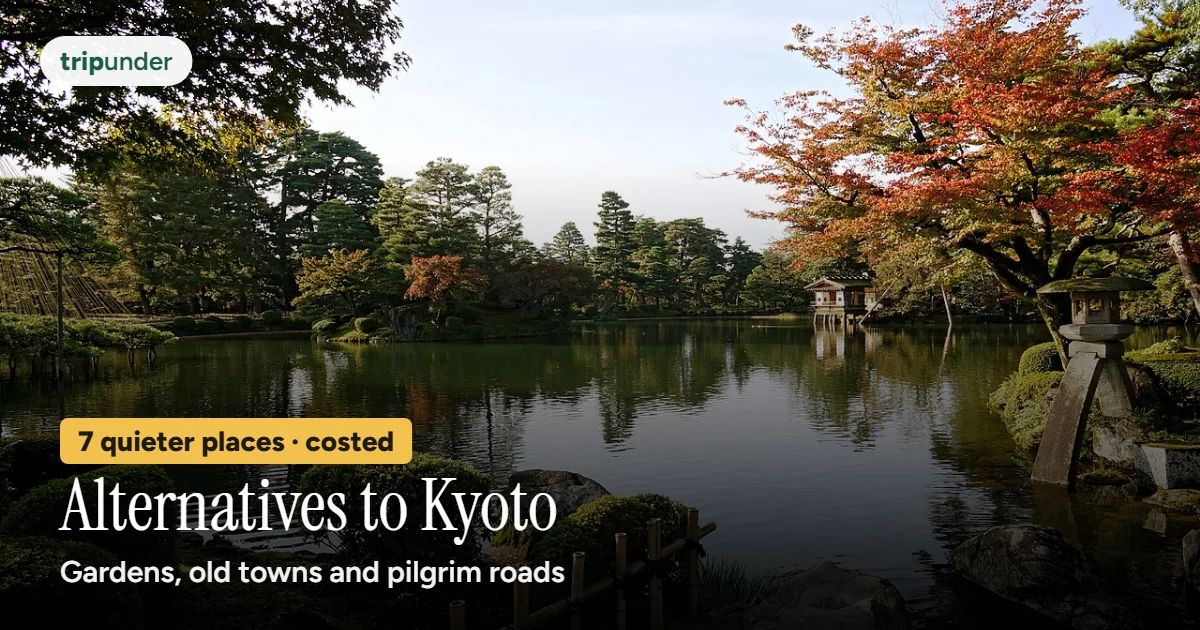
Photo: 663highland, CC BY 2.5, via Wikimedia Commons. Text added by Trip Under.

Short answer
The best alternatives to Kyoto are Kanazawa (teahouse lanes, a samurai quarter and Kenrokuen garden, 2 h 28 m from Tokyo), Takayama (an Edo-era old town and morning market, 2 h 20 m from Nagoya) and the Iya Valley on Shikoku (vine bridges and thatched farmhouses). For a slower trip, walk the Nakasendo or the Kumano Kodo. If you are in Kyoto anyway, do Fushimi Inari before 7 am and Nara instead of the central temples. A mid-range day costs about ₹8,400 in Kanazawa, ₹7,600 in Takayama and ₹7,500 in Iya, per person, on the ground.
All three towns on this list carry the same note in Trip Under's data: instead of Kyoto. Each one gives you a piece of what people go to Kyoto for. None of them is cheap, because Japan isn't, but you are not sharing them with a tour group. Costs below are per person on the ground. Flights to Japan are not included.
The seven at a glance
| Place | Gateway | Shoestring a day | Mid-range a day | Comfort a day |
|---|---|---|---|---|
| Kanazawa | Tokyo or Osaka | ₹4,200 | ₹8,400 | ₹17,000 |
| Takayama & the Hida Region | Nagoya (NGO) | ₹3,200 | ₹7,600 | ₹17,000 |
| Iya Valley | Okayama or Takamatsu (TAK) | ₹5,500 | ₹7,500 | ₹18,000 |
| Walk or sacred place | Start from | Length | Cost per person |
|---|---|---|---|
| Nakasendo Trail | Nagoya, then Magome | 3 days | ₹23,000 |
| Kumano Kodo Nakahechi | Kansai Airport, then Kii-Tanabe | 3 days | ₹21,000 |
| Nara & a Quiet Kyoto Shrine Trail | Kyoto | 2 days · 1 night | ₹6,800 |
| Ise Jingū | Nagoya | 1 day | ₹2,800 |
Infographic · three days, per person
What three days costs, mid-range
Towns: three days on the ground. Walks: Trip Under's three-day estimate from the trailhead. Getting to Japan is extra.
Kanazawa: the closest thing to Kyoto
Old teahouse lanes, a samurai quarter and one of Japan's three great gardens, in a castle town the war never bombed, at a fraction of Kyoto's crowds. The city was the seat of the Maeda lords and was never bombed in the Second World War, so the old districts survived. In two or three days you walk the Higashi Chaya teahouse lanes, the Nagamachi samurai streets and Kenrokuen, and eat a seafood bowl at Omicho market.
Instead of: Kyoto. Getting there: Tokyo → Kanazawa, Kagayaki (reserved) (2 h 28 m, about ₹8,340 one way), or from Osaka via Tsuruga (2 h 10 m, about ₹5,690 one way). Best months: Apr–May, Oct–Nov.
- Kenrokuen garden costs about ₹190, and its free early-morning entry gives you the garden almost to yourself.
- Eat Kanazawa curry for lunch (about ₹500) and save the splurge for one Omicho kaisendon (about ₹1,280).
- Higashi Chaya's geisha houses are private. Don't photograph or follow geiko in the street.
Takayama and the Nakasendo: Edo-era Japan
A preserved Edo-era old town, a working morning market and thatched-roof villages in the Japan Alps — at a fraction of Kyoto's tourist density. Wooden merchant houses, sake breweries and the Miyagawa morning market, and the gateway to the thatched farmhouses of Shirakawa-go (a day trip costs about ₹3,000).
Instead of: Kyoto. Getting there: fly into Nagoya (NGO), then Nagoya Station to Takayama, JR Limited Express Hida (2 h 20 m, about ₹3,900 one way). Best months: Apr–May, Oct–Nov. Point-to-point tickets from Nagoya are cheaper than a rail pass if Takayama is your only stop.
The Nakasendo Trail is the real Edo-era road between Kyoto and Edo, and it starts near Nakatsugawa, about 50 minutes from Nagoya by limited express. Walk Magome to Tsumago (about 8 km) on day one, sleep in a minshuku, then cross the 1,197 m Torii Pass to Narai. About ₹23,000 per person for three days, with two nights' half board. No permit and no fee, but Tsumago's inns take bookings by phone only and no same-day guests. Send your bag ahead for about ₹610. Bears live in the Kiso Valley: ring the bells hung along the trail.
Iya Valley and the Kumano Kodo: mountain Japan
A steep green gorge in the middle of Shikoku where you still cross the river on bridges woven from mountain vines. Thatched farmhouses, terraced hamlets and jade rivers that most foreign visitors never reach. Crossing the Kazurabashi vine bridge costs about ₹300.
Instead of: Kyoto. Getting there: from the Shinkansen at Okayama, the Nanpu limited express to Oboke (1 h 40 m, about ₹2,320 one way), then the local bus to Kazurabashi (about ₹365). Flying in, use Takamatsu (TAK). Best months: Apr–May, Oct–Nov. Buses run only every one to three hours and stop early; stay the night, because day-trippers leave by 4 pm.
The Kumano Kodo is a 1,000-year-old pilgrimage path to Kumano Hongu Taisha on the Kii Peninsula, one of only two UNESCO-listed pilgrim routes in the world. The classic Nakahechi runs about 38 km from Takijiri-oji to Hongu, with nights in family-run minshuku with dinner and a hot-spring bath. About ₹21,000 per person for three days. Book every night in advance through the Tanabe tourism bureau's KUMANO TRAVEL system, and carry cash in yen: cards are not widely taken in the villages.
Already in Kyoto? Go early, then go to Nara or Ise
The Nara and quiet Kyoto shrine trail swaps one crowded stop for two calmer ones. Be at Fushimi Inari before 7 am, when the torii gates are nearly empty (it never closes and is free). Then take the JR train to Nara (45 minutes) for Todai-ji's great bronze Buddha and the lantern path to Kasuga Taisha. About ₹6,800 per person for two days and one night. Visit Nara on a weekday.
Ise Jingū, the most sacred shrine complex in Shinto, is a day from Nagoya by Kintetsu train and free to enter. Visit Gekū first, then Naikū, as the shrine asks. It opens at 05:00 and closes at 17:00 from October to December, later in spring and summer. About ₹2,800 for the day.
When to go, and how to keep it affordable
| Place | Best months |
|---|---|
| Kanazawa | Apr–May, Oct–Nov |
| Takayama & the Hida Region | Apr–May, Oct–Nov |
| Iya Valley | Apr–May, Oct–Nov |
| Nakasendo Trail | Apr–May, mid-Oct–Nov |
| Kumano Kodo Nakahechi | Spring and autumn (book inns early) |
- Go in April or October to November, but book trains and inns early: these are the busiest weeks too. Kagayaki Shinkansen seats are reserved-only.
- Skip the nationwide rail pass unless you are also covering Tokyo, Kyoto and Osaka the same week.
- Eat from the konbini at breakfast. Onigiri, an egg sandwich and coffee is about ₹350 in Takayama.
- Carry yen. Buses, market stalls, small inns and village shops on all three routes often want cash.
- Check the weather in late summer. Typhoon rain can close Iya's bridges and bring landslides on the Kumano Kodo.
Frequently asked questions
What is the best alternative to Kyoto?
Kanazawa. It has teahouse lanes, a samurai quarter, a castle park and one of Japan's three great gardens, with a fraction of Kyoto's crowds, and it is 2 h 28 m from Tokyo by Shinkansen. A mid-range day costs about ₹8,400 per person on the ground.
Is Takayama like Kyoto?
In the old town, yes: wooden merchant houses, sake breweries and lantern-lit streets, at a fraction of Kyoto's tourist density. It is 2 h 20 m from Nagoya on the Hida limited express, and about ₹7,600 a day mid-range.
How much does the Nakasendo Trail cost?
About ₹23,000 per person for three days from Magome, covering two nights in a minshuku with dinner and breakfast, lunches, local buses and trains, and one forwarded bag. There is no trail fee or permit.
Do you need to book the Kumano Kodo?
There is no permit or trail fee, but the Tanabe tourism bureau asks you to book every night in advance through its KUMANO TRAVEL reservation system. Walk-ins are uncommon and mountain inns may be full.
How do I avoid the crowds at Fushimi Inari?
Arrive before 7 am. The shrine never closes and is free, and the tour-bus wave starts around 9 am. Then visit Nara on a weekday.
Sources and how we priced this
- Daily costs, trains, fares, fees and best months: each place's Trip Under page (linked above), built on our cost method. Prices are stored in rupees and shown in your currency at fixed rates.
- Nakasendo bag forwarding, bus fares and inn booking rules: japan-guide.com and the Tsumago Tourism Association, as cited on the Nakasendo page (checked October 2026).
- Kumano Kodo booking and luggage: Tanabe City Kumano Tourism Bureau. Ise Jingū hours and the visiting order: isejingu.or.jp (checked 11 Oct 2026).
- Flights to Japan are not included. Check live fares and the entry rules for your passport before you book.
Keep reading
Plan your Japan trip without Kyoto
Pick your dates and travel style on any place page: beds, food, trains and entry fees add up in your own currency.
Start with Kanazawa →Costs come from Trip Under's place data and our cost model (see methodology). They are indicative ballparks for budget travel and move with season and demand. Check live bus, train and room prices before you book. Trip Under is reader-planned, not an agency, and takes no commission on any booking.